
Views: 0 Author: Site Editor Publish Time: 2025-12-17 Origin: Site


Introduction
The global energy storage market is booming, driven by a race to stabilize renewables and secure energy independence. For international buyers, the conversation often starts with battery chemistry or inverter capacity. But seasoned developers know the real bottleneck often lies elsewhere: the connection point.
An Energy Storage System (ESS) is only as reliable as its link to the grid. If the step-up transformer fails, the most advanced battery in the world becomes a stranded asset.
While "turnkey" integrated substations have become the industry standard for rapid deployment, the value isn't just in the box—it’s in what lies inside. From CEEG’s solutions for energy storage system(ESS), we see a distinct shift in strategy: offering tailored Cast Resin and VPI (Vacuum Pressure Impregnated) transformers, and the Integrated PCS + Step-Up Transformer Substation tackling an array of ESS challenges.
For international buyers, the logistical nightmare of coordinating inverters, step-up transformers, and switchgear from different vendors is a major risk factor. Compatibility issues can delay commissioning by weeks.
CEEG’s approach with their Integrated PCS + Step-Up Transformer Substation addresses this friction directly. By combining the Power Conversion System (PCS), transformer, and switchgear into a single, factory-tested ISO container, the solution effectively removes the "integration risk" from the job site.
The Benefit: For a project manager in a remote location, this means no special lifting tools, reduced on-site labor, and a "ready-to-install" unit that slashes deployment time. It changes the transformer from a component into a deployed asset.
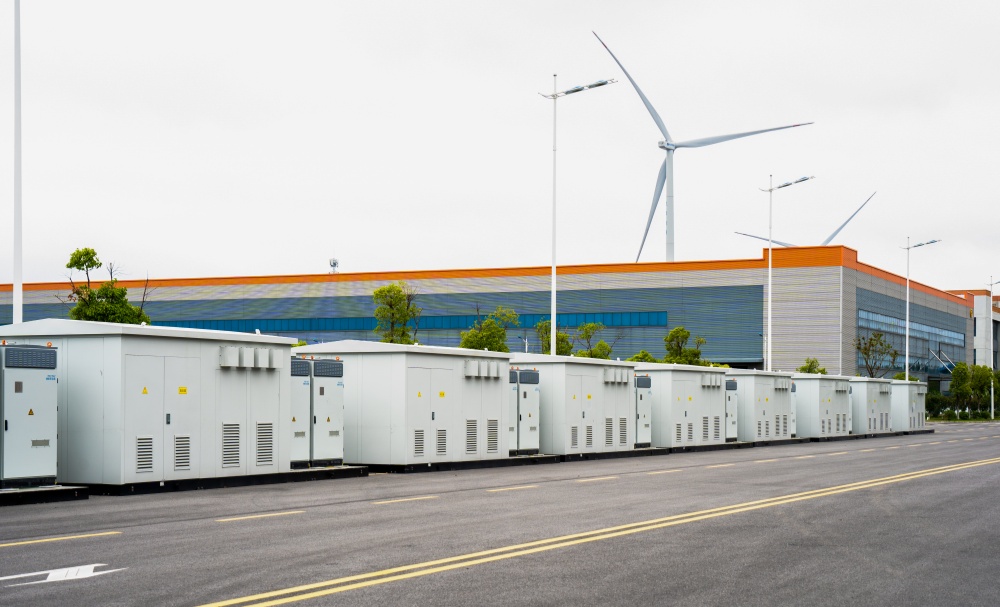
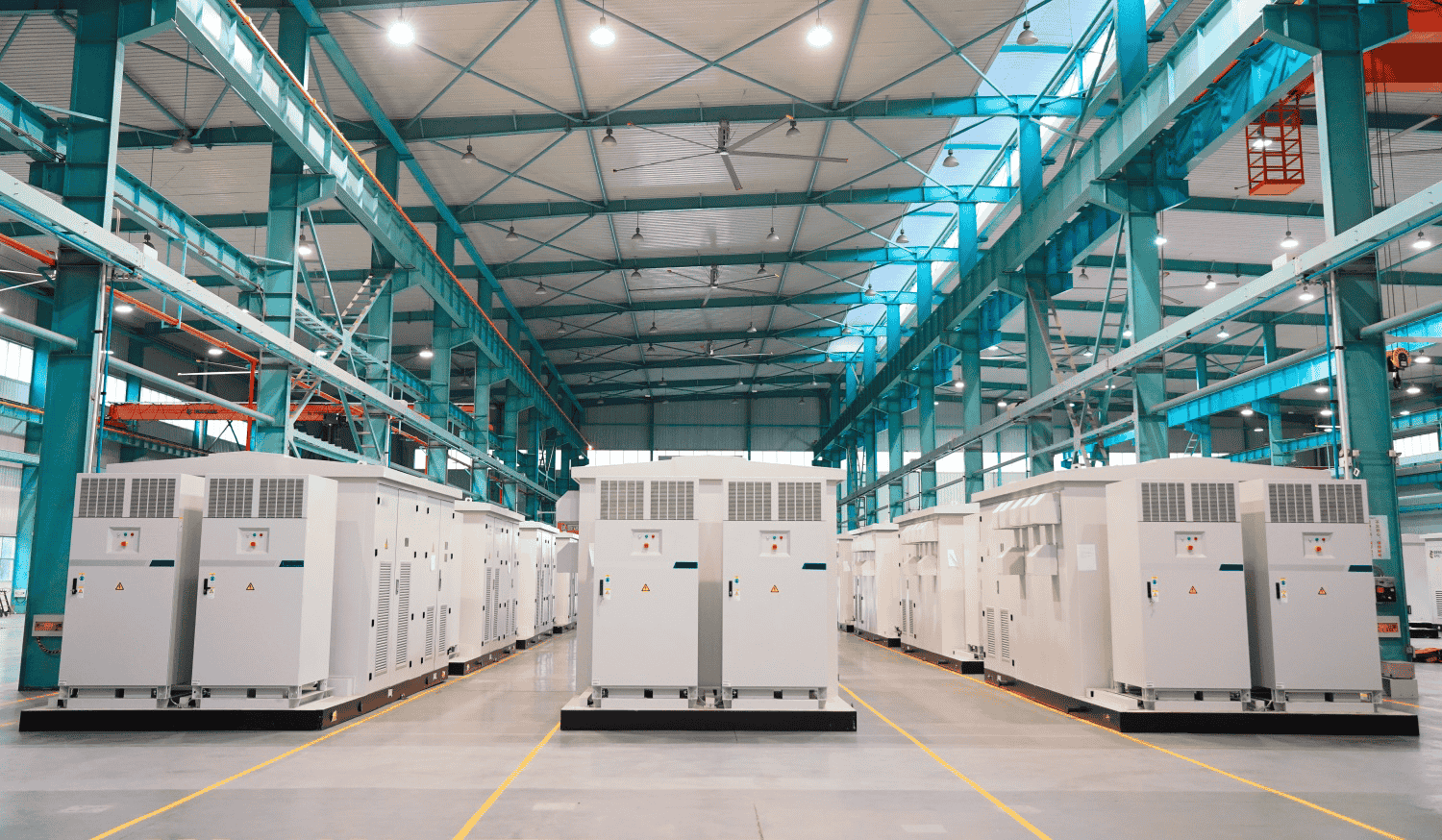
Energy storage projects are rarely located in mild climates; they are often found in high-altitude mining sites, coastal wind farms, or scorching deserts. Standard equipment simply corrodes or overheats.
The analysis of CEEG’s technical specs reveals a heavy emphasis on environmental hardening that international buyers demand:
Corrosion Resistance: With C5-level anti-corrosion protection, these units are built to survive high-salinity coastal environments without degrading.
Extreme Temperatures: Whether it’s the Epoxy Dry-Type or the Open Ventilated Dry-Type (OVDT) transformers, the operating ranges are massive. CEEG OVDT units, for instance, are rated for temperatures as low as -40°C and utilize insulation capable of withstanding 220°C. CEEG epoxy dry-type, the reinforced insulation design on both sides allows integrators to maximize system integration without compromising safety (especially fire and arc flash protection).
Altitude: Standard operations up to 2000m ensure that projects in mountainous regions like South America or Central Asia don't suffer from unexpected derating. For higher altitude, CEEG integrated PCS + step-up transformer substations (cast resin) are stably operating in a PV station in Ngari, Tibet at the altitude of 3800m.


In the energy storage game, efficiency isn't just a "nice to have"—it is revenue. Every watt lost in conversion is a watt you can't sell back to the grid.
CEEG’s transformers are engineered to beat the baseline. Their Epoxy Dry-Type models for energy storage boast no-load losses that are 20% lower than international standards and load losses 10% lower.
The Bottom Line: Over the 20-year lifespan of a storage park, these fractional efficiency gains compound into significant operational savings, directly improving the Levelized Cost of Storage (LCOS).
When shipping high-voltage equipment across borders, compliance and safety are non-negotiable. The move toward Dry-Type transformers in these integrated solutions significantly mitigates fire risk compared to traditional oil-filled units, a critical factor for projects near populated areas or critical infrastructure.
Certification: With UL certifications and compliance with IEC standards, the friction of regulatory approval in markets like Europe and the US is drastically reduced.
The value of modern energy storage solutions lies in their ability to make complexity invisible. CEEG’s transformer portfolio suggests they aren't just selling "voltage conversion"; they are selling project certainty.
For international buyers navigating the complex waters of global logistics and harsh environments, the choice isn't just about price—it's about choosing a solution that arrives ready to work, survives the elements, and protects the bottom line for decades.


